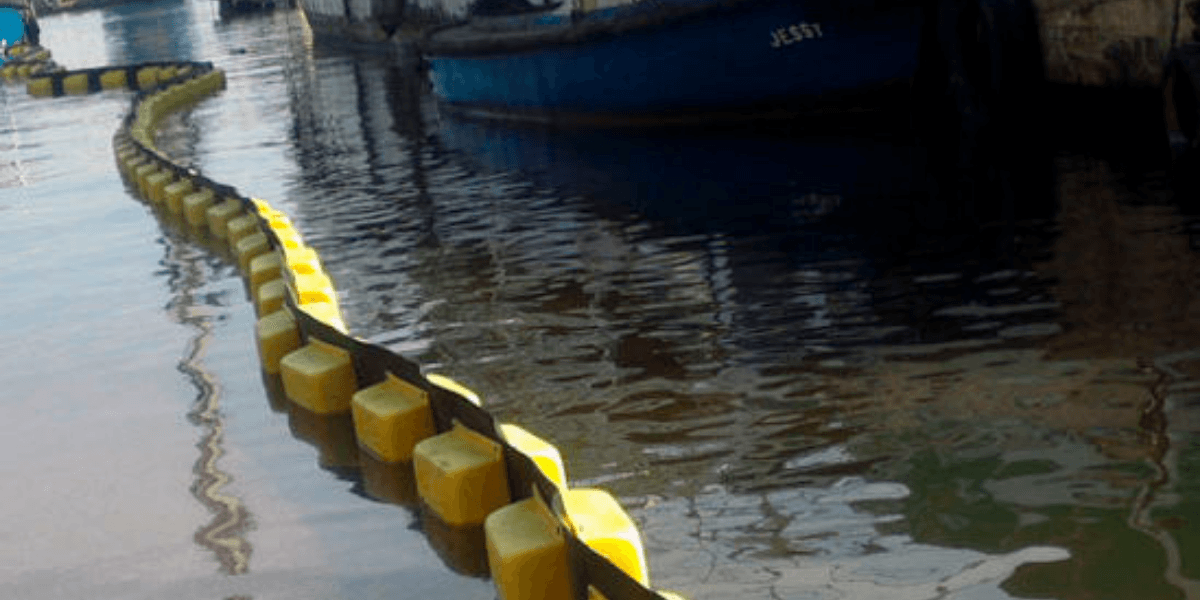
Makstelar Oil Boom Barriers: Guarding Against Marine Pollution
Oil spills represent one of the most visible and destructive forms of marine pollution, threatening fragile ecosystems and the livelihoods of coastal communities. Containment is the critical first step in any spill response, and Makstelar’s oil boom barriers have become indispensable tools for port authorities, coast guards, and private operators worldwide. Engineered for both rapid deployment and prolonged service life, the company’s boom portfolio spans lightweight fence‑type models for sheltered waters to heavy‑duty inflatable designs capable of withstanding open‑sea wave action of up to Sea State 5.
Each boom is crafted from a high‑tenacity polyester base cloth coated with a specialized PVC‑nitrile blend that offers superior hydrocarbon resistance while maintaining flexibility in sub‑zero temperatures. Segments are joined using high‑frequency welding, creating homogenous seams that are stronger than the parent material. Replaceable galvanized ballast chains ensure the skirt maintains correct draft without adding excessive weight, and double‑rub strakes guard against abrasion when booms are towed or encounter debris. Additionally, Makstelar applies an anti‑fouling treatment that discourages marine growth over long deployments, lowering maintenance burdens.
Speed is essential during spill events, and Makstelar’s RapidDeploy reel system allows a three‑person crew to unspool and inflate a one‑hundred‑meter boom in under fifteen minutes. Integrated inflation hoses coupled with auto‑stop pressure valves minimize the risk of over‑pressurization while reducing the number of connections that can leak. For operations where logistics are constrained—such as remote Arctic outposts—the company offers modular air cylinder packs that enable inflation without powered compressors. Field feedback indicates these features reduce first‑response time by up to forty percent versus traditional boom systems.
Beyond physical containment, Makstelar supports pollution mitigation through data and training. The booms are fitted with reflective markers and optional AIS beacons, enabling night‑time visibility and remote monitoring by response coordinators. The firm’s SpillSim software can ingest real‑time current and wind data, suggesting optimal boom anchoring angles and overlap patterns. To ensure responders can exploit these capabilities, Makstelar conducts IMO‑compliant HNS (Hazardous and Noxious Substances) response courses at its Tuzla training pool, equipping crews with hands‑on experience before real emergencies strike.
Sustainability informs Makstelar’s research roadmap. Engineers are experimenting with bio‑based polyurethane coatings that reduce reliance on fossil‑derived plastics without compromising performance. Collaborative projects with universities aim to integrate hydrophobic sorbent skirts that can both contain and passively absorb light sheens, offering a dual‑function barrier. By marrying material science, deployment efficiency, and smart‑monitoring technology, Makstelar’s oil booms stand as a robust first line of defense in the collective effort to guard our oceans against the scourge of petroleum pollution.